Peru is one of the most diverse lands on earth, offering mountains, jungles, deserts, and coastlines in one breathtaking package. How are you supposed to pack for all that in one carryon bag? Here’s how to pack for Peru.
I spend a couple of months each year in the wild, magnificent country of Peru, and I’ve been leading Indie Adventure Tours there, too. The subject of what to pack is always a popular discussion before our trips.
Most visitors to Peru spend the majority of their time in the mountains, around Cusco and Machu Picchu, and possibly Lake Titicaca, so this page will focus on the gear you need for that region. If you’re visiting jungle areas like Manu, add more lightweight clothing to protect you from mosquitos and perhaps throw some sport sandals into your bag.
A note about shopping
I’m listing the ideal items in each category to give you an idea what to aim for — but that doesn’t mean you need to buy all new gear for your trip to Peru! In most cases, you’ll have something suitable in your closet. If you travel a lot, you might want to acquire a few new things for each trip until you’ve built a nice capsule wardrobe of travel gear.
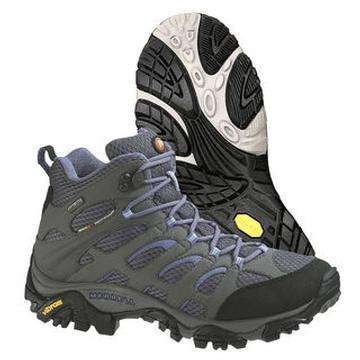
Hiking Boots & Alternate Footwear
The mountainous areas of Peru are made of mud and rocks. The only footwear that makes sense there is hiking boots and/or sturdy walking shoes.
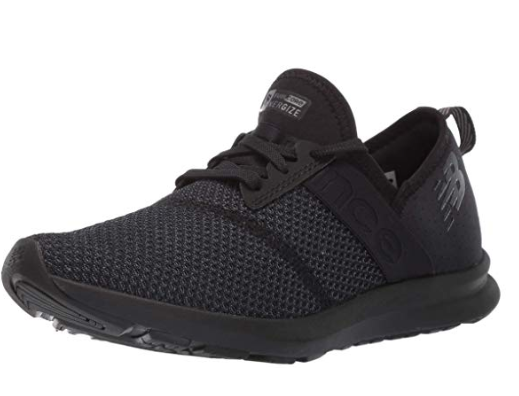
Athletic shoes
If you’re not trekking or hiking, you can get by with sturdy athletic shoes.
Other footwear
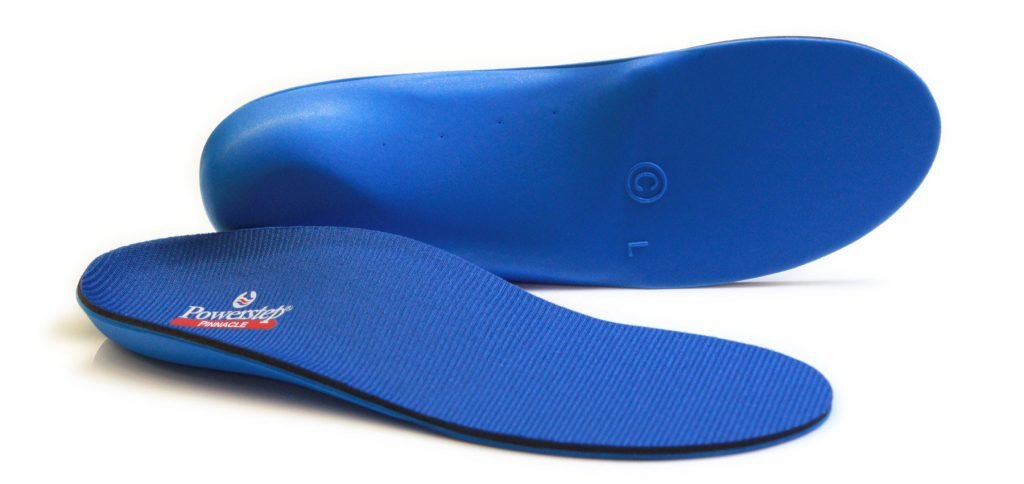
An extra layer under your feet will help protect you from rocks and debris and add comfort when you’re walking. Bringing extra insoles also lets you bring lighter-weight footwear.
If you’re staying in hostels or just don’t like being barefoot indoors, you might want to carry a pair of shower shoes, water shoes, or slippers with you as well.
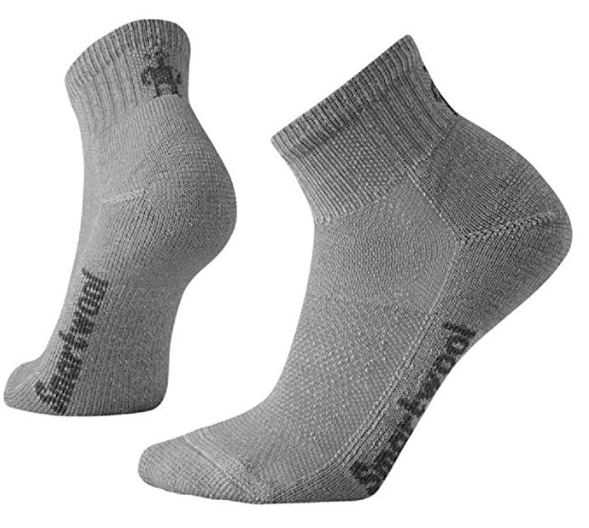
4 pair Smartwool hiking socks
You’ll want good socks as well, to prevent blisters and keep your feet warm and comfy. I like Smartwool socks because they’re lightweight and fast-drying, plus they resist odors, regulate temperature well even when damp, and hold up through a zillion washings. Four pairs feels like a generous number since they’re so easy to wash out in the sink.
3-4 Pair Lightweight Hiking Pants
In the Sacred Valley area (Cusco & Machu Picchu) it’s usually too cold for shorts or skirts, so all you’ll need is some long pants. I like lightweight pants with good pockets that can be worn 2-3 times and washed out in a sink. The good ones will dry in an hour. By far my favorite brand so far has been Columbia, along with the REI Co-Op store brand. 3-4 pair is plenty; look for lightweight ones that won’t take up much room.

A note about yoga pants & leggings for women: Although Peru is a conservative country in general, leggings are very common all over the country, so feel free to wear them here! I don’t include them in my recommendation because they tend to lack pockets and aren’t as durable or fast-drying as hiking pants, but they are very comfy and can double as sleepwear or a base layer in cold weather.
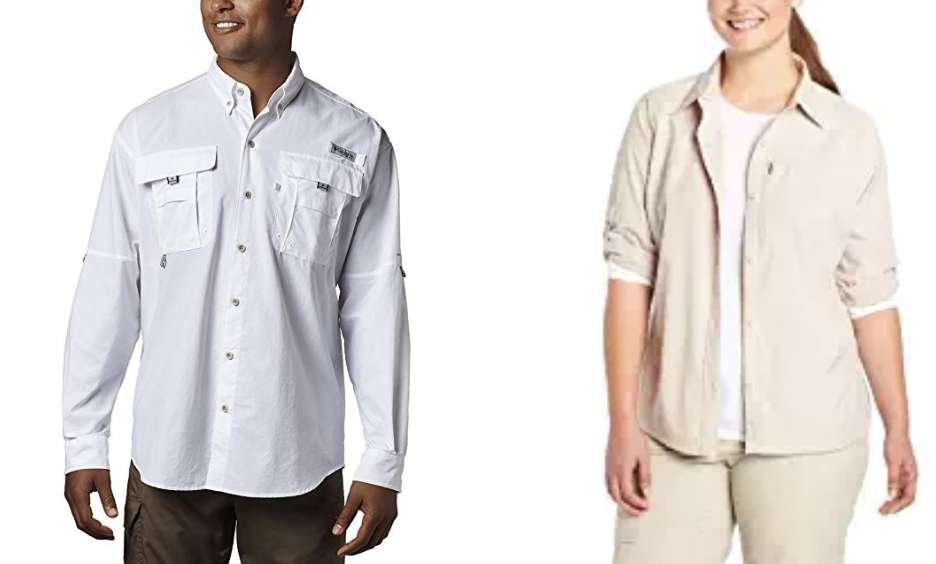
5-7 Shirts
- 3-4 short-sleeved base layer shirts (synthetic or Smartwool, not cotton)
- 2-4 long-sleeved shirts
The valley is generally chilly year-round, but there are always a few moments in mid-afternoon, under the sun, when you will be sweltering. Think layers when you’re packing for Peru, but even your short-sleeved base layer should cover your shoulders to protect them from the sun because the altitude and thin air make the sun super strong here.
Water Bottle
A water bottle is vital for your trip to Peru. You can not drink the tap water in Peru, and avoiding single-use plastics is especially important in a fragile environment.
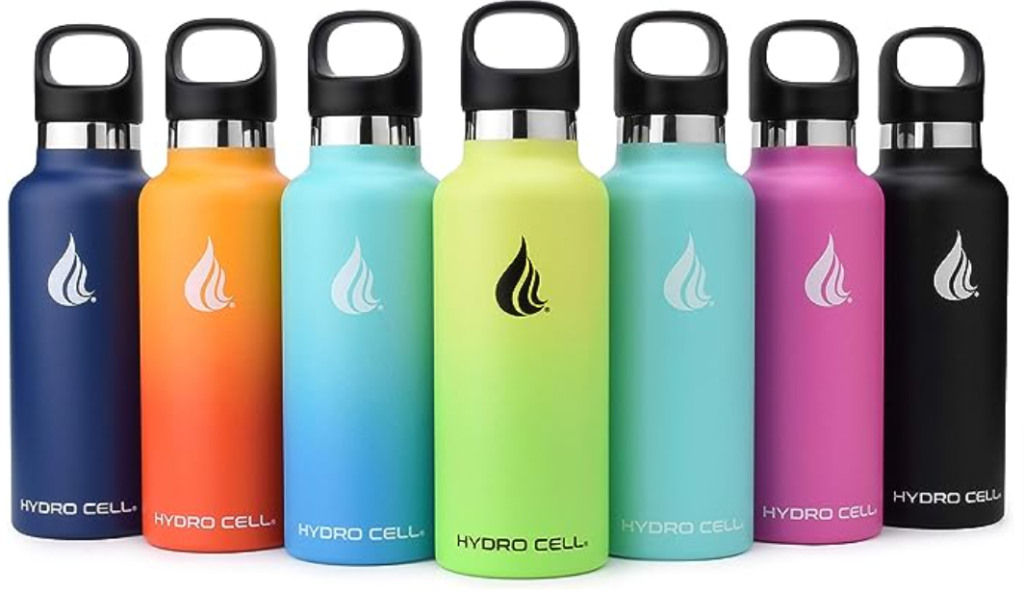
I’m a huge fan of double-walled aluminum water bottles because they keep your water nice and cool all day
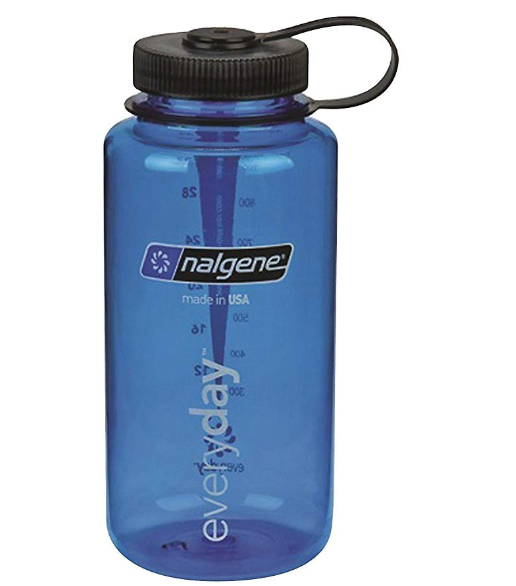
But if you’re trekking or staying in homes or hostels that might not have heat, I recommend a Nalgene bottle. A Nalgene bottle can be filled with hot water from a kettle and used as a hot water bottle to warm your bed or sleeping bag at night! (remember that June, July and August are winter months in Peru).
Jacket: Fleece or Waterproof Down
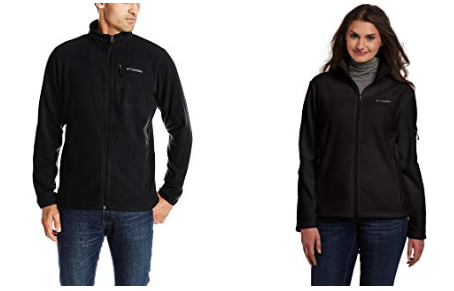
Thin down jackets (like this one for women) are very popular in Peru, and as long as they’re waterproof, they make a good choice for the mountain chill. Personally, I prefer a sleek fleece jacket for its versatility — so easy to layer a
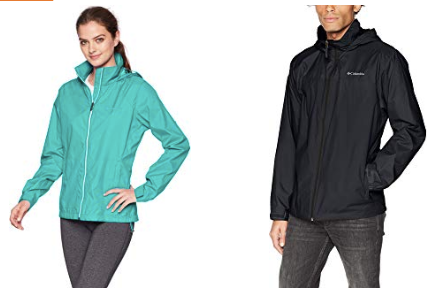
Rain Jacket or Poncho (rainy season)
Sun Hat

Incidentals to Pack for Peru
- Swimsuit (there are hot springs near Machu Picchu!)
- Chapstick (the air is DRY)
- Power bank
- Sunblock
- Daypack (for carrying your water bottle & layers of clothing every day
- You may want to bring a Lifestraw or other water filtration device.
- Toiletries (keep it simple – shampoo, conditioner, soap, comb, maybe a high-SPF face cream or BB cream and mascara. Most people don’t wear a lot of makeup or fancy hair in Peru and heated appliances for your hair may not work in many locations
What Not to Pack for Peru
- Unless you’ll be in hotter locations like Lima or the jungle during the summer, you won’t need sandals, shorts, or other warm-weather gear.
- Dressy clothes aren’t very useful in the Valley or the jungle; only bring what you might want for restaurants in Lima
- Sweaters, scarves, warm hat: You’ll want them for sure, but you won’t be able to resist buying them in Peru!
- Power adapter: most Peruvian outlets will accept both US and European plugs.
Be sure to leave plenty of space in your pack for all the handcrafted items you’re going to want to bring home!
FAQs
Weather varies wildly across the country, but in the area around Cusco and Machu Picchu, where visitors spend the most time, the weather is cool, even a little cold at night. Bring jackets, fleece, warm hats.
Hiking boots are ideal for the rocky mountainous terrain around Machu Picchu. You want a thick, grippy sole and ankle stabilization, ideally.
Most Peruvian outlets will accept both US and European plugs.
Yes. The weather can be warm enough for swimming in Lima and some other lowland areas. At Machu Picchu, there are hot springs, too.
Outside of Lima, there aren’t a lot of places where suitcase wheels are very helpful. A backpack is more practical.
No. Carry a refillable water bottle so you can consume less plastic, and consider bringing a Lifestraw or other filter.
From October until April is the warm, wet season. It’s actually a nice time to visit, as it only rains for an hour most days, everything is green and lush, and there are few crowds. But in January— March rains can be heavier, and the trails close.