Every corner of Cusco is packed with history, culture, artisanal handicrafts, and delicious foods. In Incan times, Cusco was considered “The Navel of the World,” the true center of the empire. It’s also been the heart of the Spanish occupation, and the historic area has many hidden stories to tell about that era.
It’s one of my favorite cities in the world, and these are the hotels, restaurants, and attractions I visit every time I’m in town.
Arrival Tips
Most flights to Cusco include a layover in Lima. You’ll need to pick up your luggage at the carousel and then take it to the check-in area to recheck it. If you’re directed to leave the airport after the luggage carousels, don’t panic! This happens sometimes. Turn left and walk a short distance and you can re-enter the airport through the main doors. Yes, you’ll need to go through security again to get to your gate and it is a nuisance!
HOT TIP:
If you have a very long layover in Lima, you can easily walk to the Costa del Sol Wyndham hotel (walk out of the airport and look to your right, you’ll see it). Rooms are pricey, but they offer a 3-hour pass to the spa for under $50 (last time I was there). You’ll be in a quiet space with lounge chairs where you can climb in and out of the shower, hot tub & pool at your leisure and even book a massage if you like.
You can leave your luggage at an office under the stairs in the airport for a few dollars (I think it’s called “left luggage”).
Altitude
On your first day, the altitude will cause you to tire easily, and you may feel like you can’t quite inhale enough. That’s because the air has less oxygen than you’re used to, and your body needs time to figure out how to deal with this. Spend your first day relaxing in your hotel, or perhaps exploring the street you are on. If you feel OK, you might want to explore everything that is downhill from your hotel and then return by taxi (grab a business card at your hotel to show the taxi driver). A taxi inside the historic district should cost less than 5 soles.
Where to Stay
My focus is on hotels that are mid-priced, locally owned, and well-managed with great locations. These are my favorites, in descending price order.
My Favorite Hotels: Tierra Viva Cusco Hotels
San Blas, Centro & Saphi locations
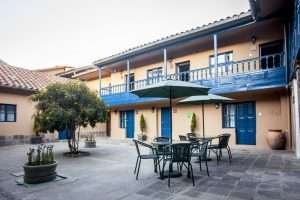
Tierra Viva is a locally owned chain of hotels, with several locations around the country including three in Cusco. All three are well-located, within easy walking distance of everything you’ll want to see. Rooms are reasonably priced and very comfortable (Last check: $70 for a single, $90 for a double). The hotel offers fresh breakfast, airport pickup, oxygen, and other amenities.
San Blas: In the historic area, but uphill from the main Plaza. If you’re dealing with altitude, I suggest walking down and taking a taxi back up. San Blas is an artist neighborhood, close to the action but a little quieter than the center.
Centro: If you want to be in the heart of the historic district, this hotel is perfect. Just four blocks from the main square, and very close to the San Pedro market
Saphi: Also close to the square, this new Tierra Viva location has slightly lower prices. I haven’t stayed at this one yet!
Budget choice: Huascaran Casa Boutique
Calle Carmen Bajo # 257
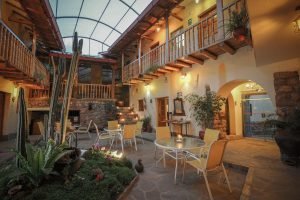
This hotel has never disappointed me. The official rate is $65/single or $75/double, but I can sometimes get it for about half that much with Hotels.com member pricing (membership is free). The staff is delightful, the rooms are comfortable, and breakfast is nice. The location is just at the edge of San Blas, on a corner that’s very tricky to navigate, even on foot. Be careful out there!
Super budget option: Net House B&B
Calle Union 140
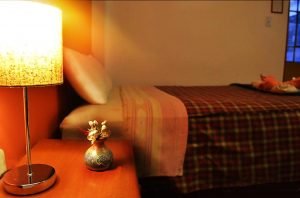
Net House is on the third floor of a nondescript building with no elevator, and doesn’t offer the lovely open courtyards of the hotels above. Rooms are small and cramped and water pressure is questionable. But you can get a single room here for about $18, and a double for $25. Coffee is available in the shared kitchen, and there are cafes nearby where you can get breakfast.
This hotel is located near the San Pedro Market, so it has the advantage of not being uphill from the main plaza. There’s no real signage outside. Just look for the label on the door buzzer when you’ve found the address and buzz to be let in. Bonus for budget travelers – there’s a gigantic supermarket across the street!
Where to Eat
These are my favorite places to eat when I’m in Cusco. They are all mid-priced restaurants (entrees between $10-20) located within the Historic District and friendly to tourists.
A Note about Food Safety: It’s mostly the water you need to avoid in Peru. That means using bottled water for brushing your teeth as well as drinking, avoiding ice, and not eating produce that’s been washed but not cooked (i.e. salads, salsas.) Stick to cooked foods or fruits that can be peeled, and if you do your own food prep, wash produce in boiled water.
The restaurants listed below are all “safe spaces” that understand what tourists need. I wouldn’t hesitate to drink water or eat salads in any of these restaurants, and I’ve never gotten sick after eating in any of them.
Morena Peruvian Kitchen
Plaza de Armas, Portal Harinas 181, Cusco 08001, Peru
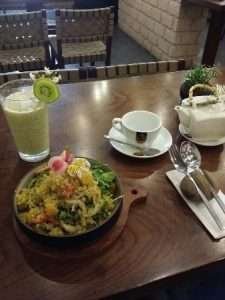
Some of the best food in Cusco is just a few blocks away from the Plaza de Armas. If you’re willing to sacrifice the view and eat in this brightly-lit downstairs location, you’ll be rewarded with excellent food and service. The menu features a wide variety of local favorites, including vegetarian options.
Organika
Ataud 154
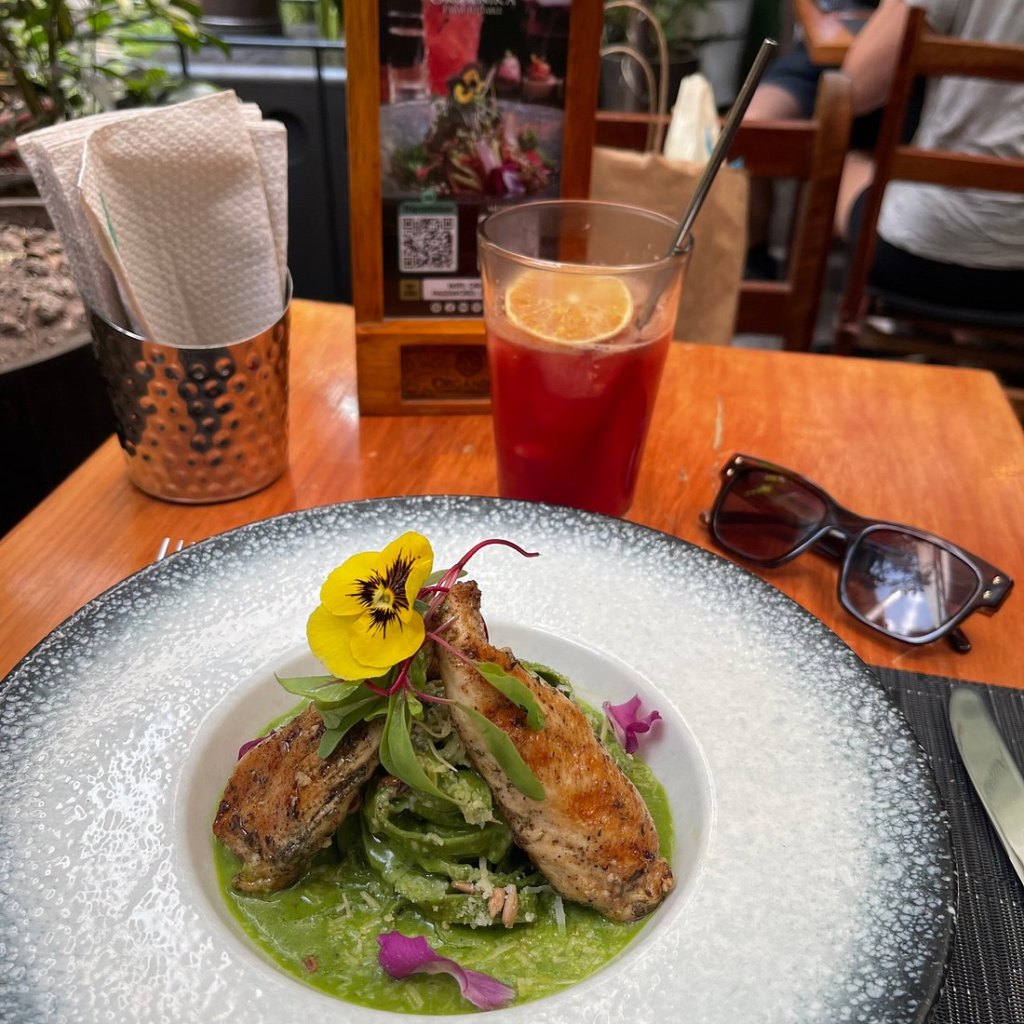
This farm-to-table restaurant is tucked away behind the Cathedral, near the Inka Museum and not far from the Museum of PreColumbian Art. The museum grows all its own produce on an organic farm in the Sacred Valley. They offer a delicious take on traditional Peruvian cuisine. Everything is healthy, flavorful, and beautifully presented. Vegetarian/vegan friendly. Reservations recommended for larger groups.
La Bodega 138
Herrajes 138
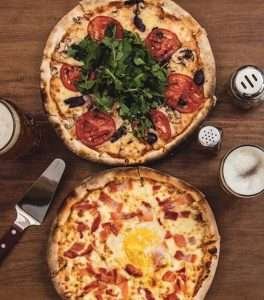
You might be surprised to learn that pizza is a very popular Peruvian food. The traditional wood-fired brick ovens found in local restaurants are perfect for creating a delicious thin-crust treat. Toppings vary from what you would find on an Italian pie, but not so much as to be jarring.
La Bodega also serves amazing salads and pastas and has a full-service bar. Very popular spot for lunch or dinner. If the wait is too long here, or you want a less-expensive alternative, visit La Pizza Carlo at Calle 381 Maruri instead. It’s close by and almost as good, with a more casual atmosphere.
Jack’s Cafe
Choquechaka
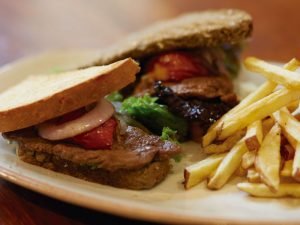
Jack’s is the place to go when you want comfort food that reminds you of home. The menu features breakfast, soups, salad, sandwiches, and other flavors from England, the United States, Thailand and Mexico (just like you might find at home). Prices are moderately high, portions are huge. If you come at mealtimes during the high season, you will wait for a table.
The location near the Plaza de Armas makes Jack’s a great place to stop for a quick rest and a shake or fruit frappe.
Restaurant Inkazuela
Plazoleta Nazarenas 167 | 2nd Floor
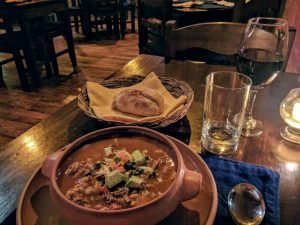
On a chilly Cusco evening, it’s heavenly to enter this warm space and eat a spicy stew in front of the fire. The food is a fusion of Peruvian and Venezuelan influences, and most of the offerings are perfectly seasoned stews, served in clay bowls with crusty bread for dipping. The cuisine is very meat-based, and vegetarians will find the offerings limited.
Can’t decide what to order? The carne picante is my favorite!
Green Point Restaurant
Carmen Bajo 235
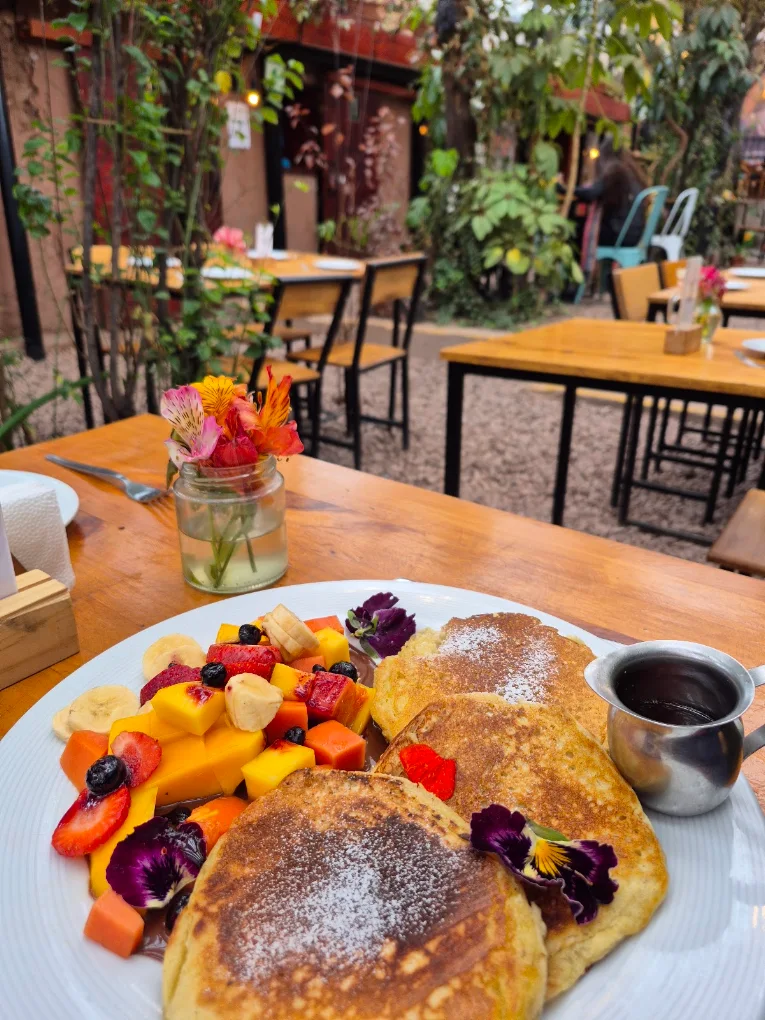
Green Point has long been a favorite among vegetarians in Cusco. They serve exquisite vegan food and cocktails in a lovely garden setting. This restaurant is only steps away from Apu Huascaran hotel, so if you’re staying there it’s definitely worth a stop.
What to Do
Cusco is a glorious city, and the Historic District is very compact. You can wander the streets without a plan and you’ll find jaw-dropping views around every corner and stumble onto everything you need, from restaurants to shopping opportunities.
The Plaza de Armas & Cathedrals
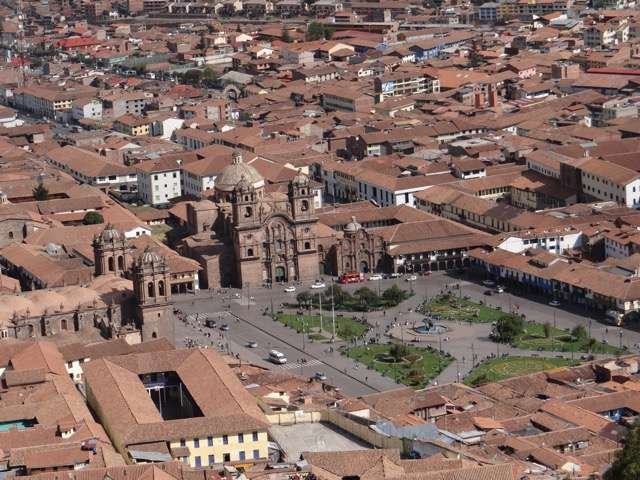
.The central Plaza is the heart of historic Cusco. It was the center of the Incan Empire, and the Spaniards built their own plaza and cathedrals over the Incan buildings they demolished.
Every few steps you’ll be offered a massage, a hat, a necklace, a sweater. Learn to brush away the offers with a simple “no thank you” and try not to get irritated — these people are just trying to earn a living in a very hard world.
You’ll also see locals in traditional dress, walking with llamas or carrying baby lambs. They’ll offer you photo opps for just a sol or two, which is a very good price. (one sol is about 30¢ as I write this). They are also trying to earn a living, so please don’t try to sneak their photos.
The Plaza offers remarkable views of the surrounding mountains and you’ll frequently find events there ranging from book sales to dance parades.
Entrance to the Cathedral is free during mass, or 25 soles at other times. It is a glorious piece of architecture. If you’re interested in visiting other religious sites in Cusco, you might be interested in a multi-site Religious Ticket.
Sacsayhuaman
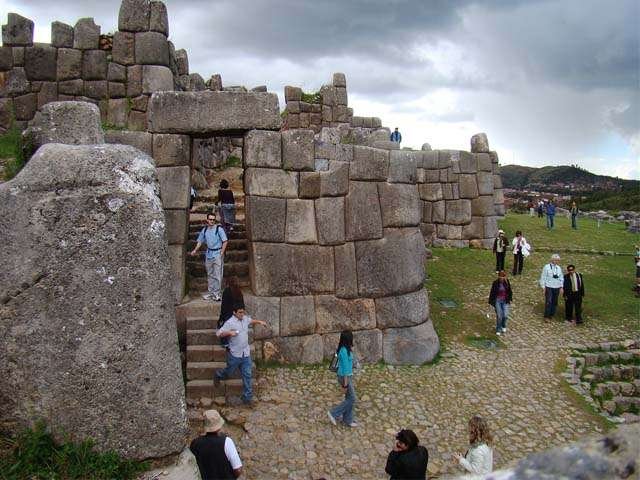
Sacsayhuaman (pronounced like “saxy woman” is an Incan site high above the city that was originally part of the Incan center here. If you’ve adjusted to the altitude, you might want to hike up (it’s easy, just start walking up Chokechaka street with Jack’s Cafe to your right and keep going upward). It’s also possible to get a taxi to take you up, or to book a tour. Entry costs about $15. If you are interested in visiting a variety of sites close to Cusco, there is a one-day Touristic Ticket to several sites that costs about $26 or a multi-day ticket to all regional attractions is $46.; you can buy either ticket at the entrance to Sacsayhuaman.
From this height, you can also hike to the White Jesus statue on the neighboring hilltop.
Qorikancha
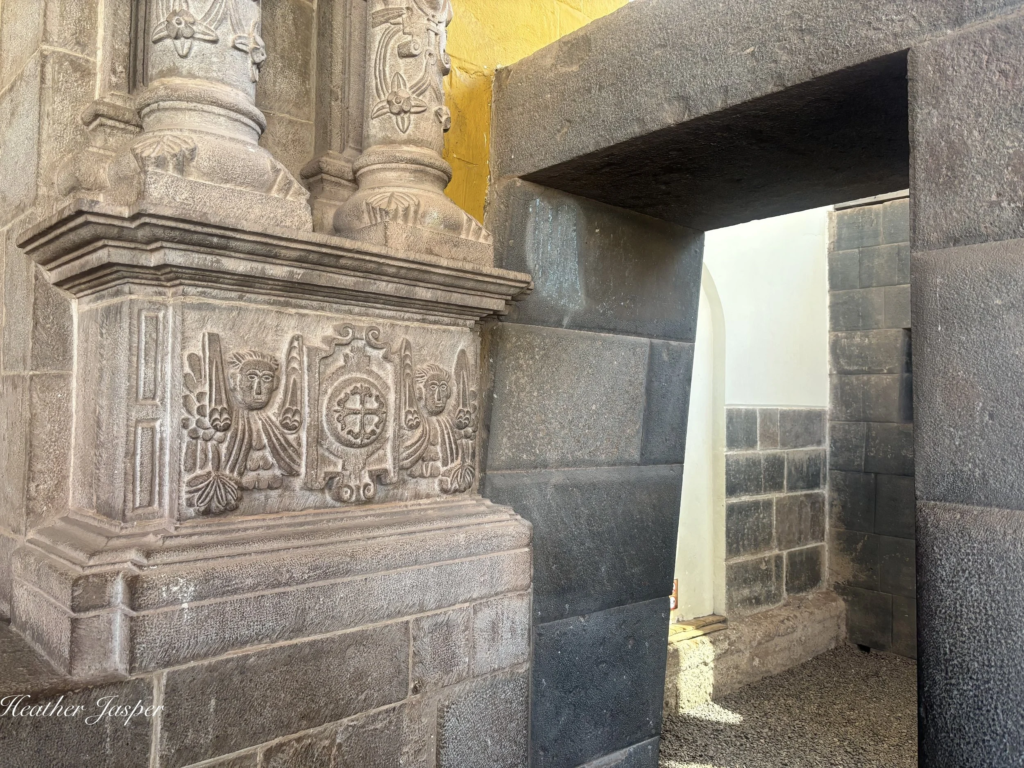
Qorikancha (or Coricancha) was the most sacred temple of the Inca Empire, dedicated primarily to the sun god Inti. Its curved, finely fitted stone walls were once covered in hundreds of sheets of solid gold. After the Spanish conquest, the invaders looted the gold and built the Church and Convent of Santo Domingo directly on top of the original Inca foundations. Today, you can visit the site and see the ruins.
A guide is recommended. You can usually find one at the site.
Museums
You will find a museum to meet every interest in Cusco. The best-loved Cusco museums include:
- Museo de Arte Precolombino: Pre-Columbian Art Museum (this is one of my personal favorites)
- Museo Inka: Learn about Incan culture
- Museo de Historia Natural: Mostly taxidermy animals, with lots of snakes
- Iglesia y Monasterio de Santa Catalin: Nuns still live here, but it is also an educational site
- Museo de la Coca: Learn about this native plant, so important to local culture
- Museo Machu Picchu: Personally, I wish this museum focused more on the original use of the site, rather than centering its “discovery” by Europeans.
- Museo Municipal de Arte Contemporáneo: Small museum featuring contemporary art
- San Francisco Church and Convent of Cusco: Well worth the 5 soles admission price just to see the view from the bell tower and hear the stories of local history. Plus, skeletons!
All of these museums are wonderful — don’t let these short writeups fool you!
They’re all within walking distance of the Plaza de Armas and you can find them on Google Maps.
A Walk To Try
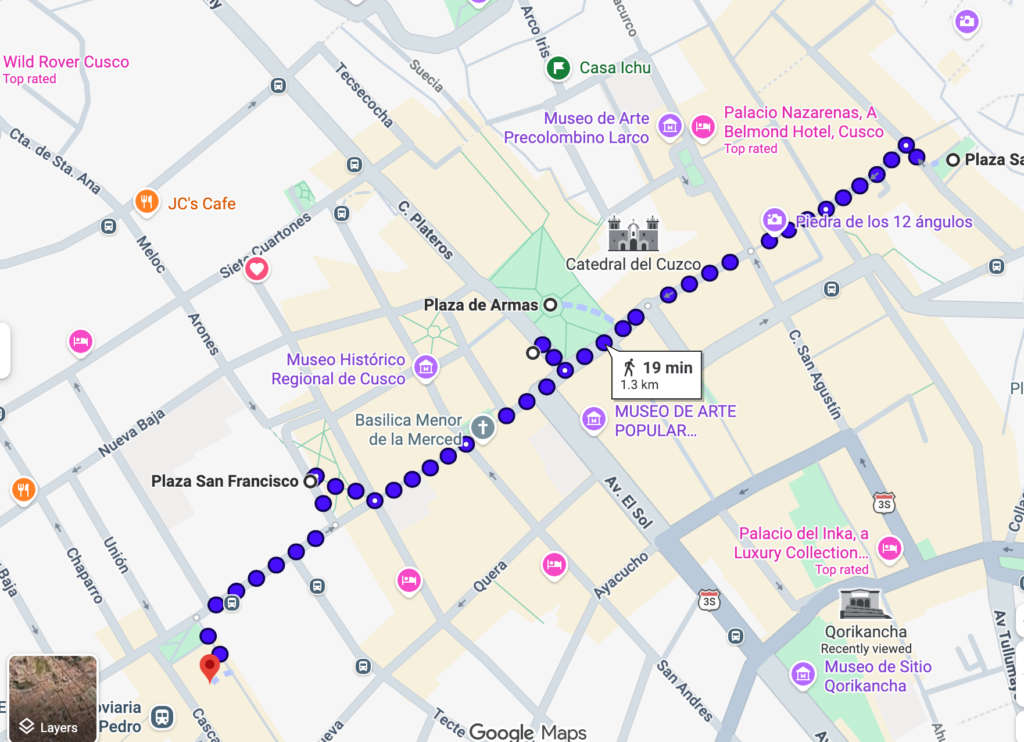
One of my favorite walks is to start at Plaza San Blas and walk to San Pedro Market. It’s a straight shot down one street (although the street changes names a BUNCH of times along the way).
If you start at San Blas, the whole route is downhill — you don’t want to go the opposite direction on your first day at altitude. So if you’re starting out from a hotel closer to the Plaza, get a taxi to take you to San Blas. Taxis are readily available in the Plaza, usually in front of the smaller Cathedral.
It’s only a 20-minute walk, but you can spend all day poking in and out of little shops along the way. You’ll notice the stops become much more high-end as you approach the plaza. A short detour will take you to Jack’s Cafe for lunch, and then you can have a coffee in one of the cafes overlooking the Plaza. My favorite is a little cafe called Cappucino. It’s across from the big Cathedral and has a sky-blue balcony — go in the door that says “Cappucino” above it and climb the stairs to find it.
You’ll pass the San Francisco church plaza, where local festivities are often taking place. If you take the church tour, you’ll get a fabulous view from the bell tower. The walk ends at the San Pedro market.
Shopping
You won’t need directions to find the shops, they are everywhere. There are two classes of merchandise on offer: Tourist goods, which use inferior materials but are very reasonably priced, and higher-end goods, which are beautifully hand-crafted from fine materials and tend to be expensive. The higher-end shops are usually closer to the Plazas and are recognizable by the amount of empty space inside the shop.
If you’re in a shop where cheap merchandise is piled in the store, you are more likely to end up with a machine-made wool blanket than a handcrafted alpaca one, no matter what the seller tells you (although an experienced textile artist can probably tell the difference and could find a bargain). But you will find lots of fun souvenirs at great prices in these shops, so keep in mind what your goals are and try not to get frustrated when you hear the “finest baby alpaca” lie over and over. That’s how the game is played here.
Bargaining is part of the game; no one expects you to pay the price they name. It’s a fantasy number. If you say “Oh, no, it’s too much” and start to walk away, they will call out “Wait! How much you pay?,” trying to entice you to come back and play the game “properly.” Try offering half the asking price and see what they say. You’ll know you’ve really heard their bottom price when you try to walk away and they don’t chase you any more. Then you can go back and make the purchase.
San Blas Plaza and Saturday Art Market
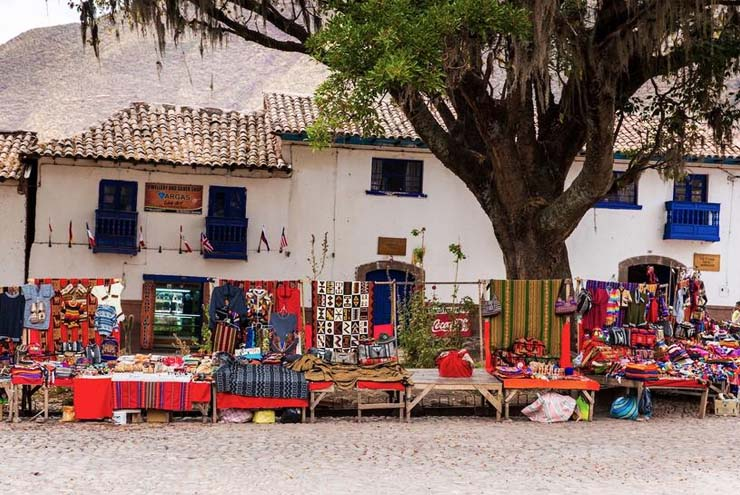
The San Blas Plaza (an easy first-day walk if you’re staying at either of the San Blas hotels I recommended above) is the heart of the art district. The streets surrounding the Plaza are lined with unique galleries and some interesting restaurants. (You’ll also find some secure indoor ATM machines on the corner of the Plaza). On Saturday mornings, artists sell their wares in the Plaza at a lively art market.
San Pedro Market
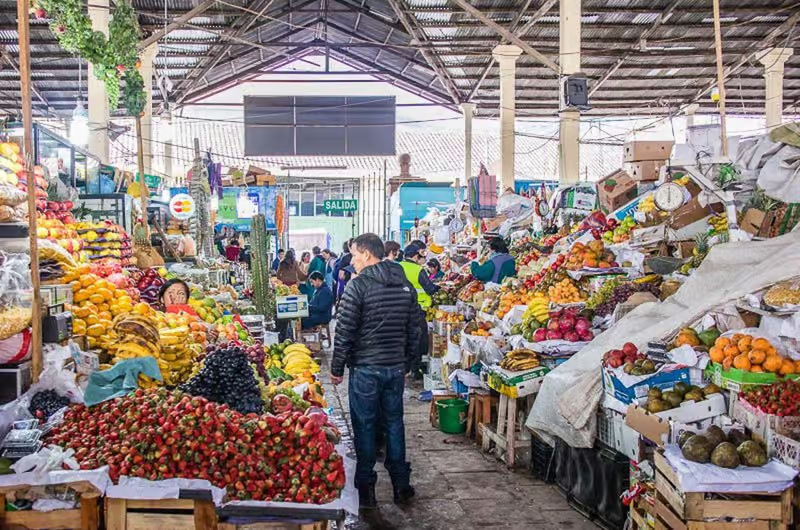
This is an historic market where locals shop for flowers, fresh produce, clothing, and more. In recent years, it’s also becoming a tourist destination and a fun place to observe local life. The lunch counters are fun to observe, but I don’t recommend eating there for tourists. The juice stands are safe and fun to try, but remember to choose fruits that are peeled (oranges, pineapple, banana, etc).
Maximo Laura Gallery
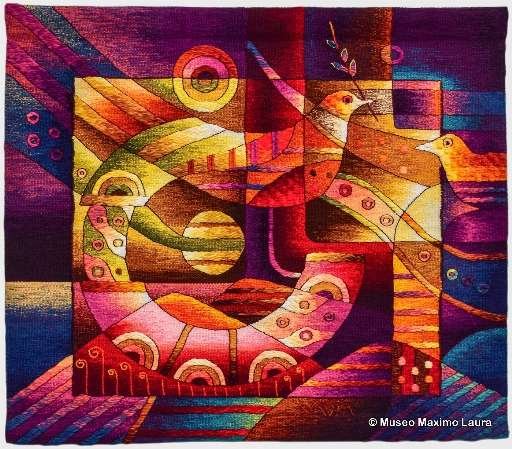
While most of the textiles you’ll see are traditional designs, Maximo Laura is a Peruvian master weaver who creates stunningly innovative blends of color and light. You’ll see imitations of his style in other galleries around Cusco, but nothing rivals his real work. If you love textiles, or just love art, this is worth your time.
Cooking Class
Cusco Culinary
The chef will meet you in front of the San Pedro market for a guided market tour, where you’ll learn a lot about local ingredients. Then they’ll walk you the their kitchen classroom (if you have mobility issues, ask for a taxi) to prepare a delicious multi-course meal.
The facility is very nicely laid out, the menu is delicious, and the recipes taught are very different from the usual fare, making use of unusual local ingredients like freeze-dried potato and inca berry. You’ll also learn to make a pisco sour cocktail.
Massages & Energy Healing
Paramatma Holistic Healing
Asnoqch’utun 279
You will be offered cheap massages every few minutes as you walk near the Plaza de Armas — but of course you get what you pay for, and there is no law in Peru requiring any level of training for massage therapists.
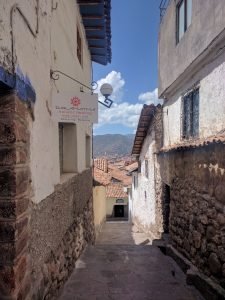
However, if you want a serious massage from a highly trained therapist, you can’t do any better than Druva at Paramatma Healing. Druva charges prices you’d expect to pay in the US, but he delivers a transformative experience. His deep tissue work and Thai massages are the stuff of legends. I like strong pressure, and Druva didn’t disappoint me. Druva speaks quite a bit of English and now has a convenient location near San Blas, on a side street made up of stairs, right around the corner from Gustitos de Loli restaurant.