This flexible itinerary loops from Brussels to Cologne — but it takes you the long way around, with enticing stopover options in three countries.
The pace is up to you — stop for lunch, a day, or spend a night or two. It requires no rail passes, just purchasing relatively inexpensive, mostly regional, train tickets.
Why European Rail Travel?
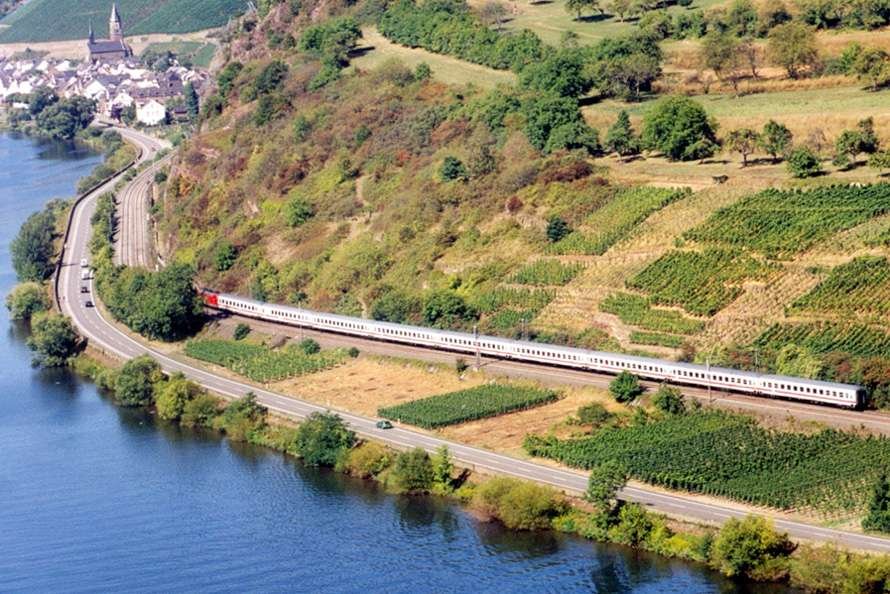
Why travel from Brussels to Cologne by rail? For a start, it’s slow travel — an environmentally friendly option. According to the International Energy Agency, the energy intensity of trains is a fraction of that of cars and planes.
And why waste hours in airports when you could be enjoying the landscape? Or are you hooked on the freedom of driving? Admittedly, it gives you the freedom to stop where you like. But you could also spend hours seeing nothing but the freeway.
But isn’t train travel expensive? Not always. Unlike the U.S., where the railways are operated to yield profit, many European countries maintain state railways. European trains are often heavily subsidized, making European rail travel more affordable.
Brussels to Luxembourg
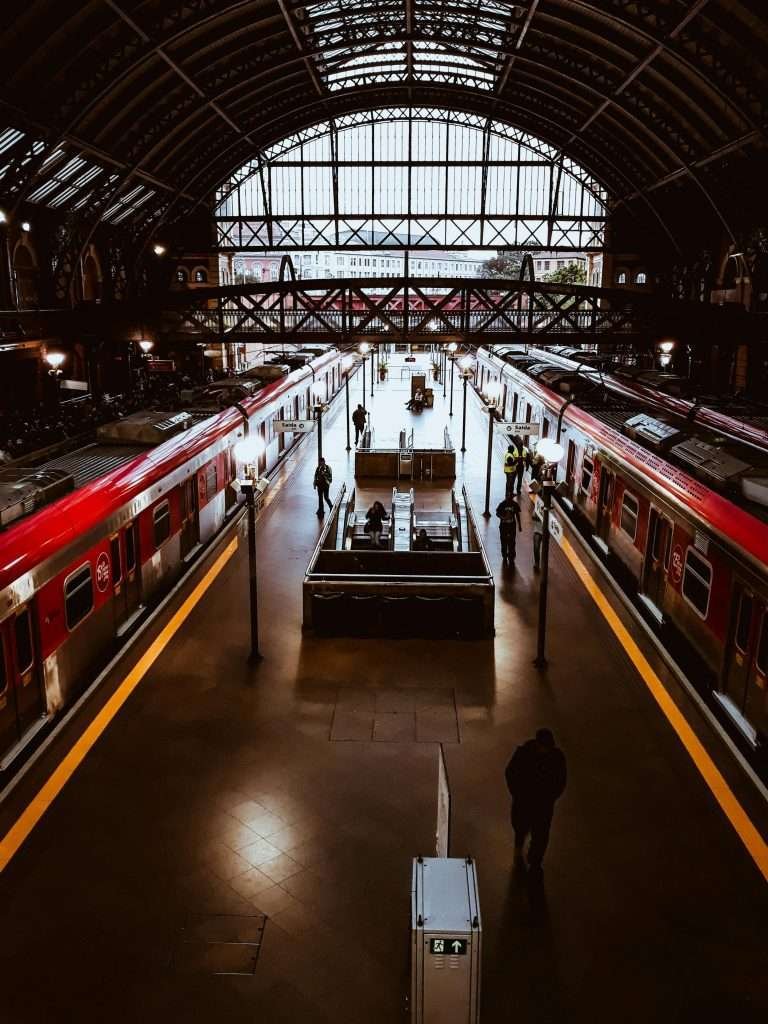
Brussels is a cosmopolitan Belgian city that’s the administrative centre of the EU. It has some worthy sights, including the majestic Grand Place Square, although many of the tourist recommendations are for trips out of the city. But Brussel’s location makes it ideal as a starting point, as it’s easily reached by train from London, Paris, and Amsterdam, as well as by international flights.
Ignore the popular routes to Luxembourg and take the more direct option via Liège. Liège can be reached in just over an hour, which leaves time for a lunch stop before boarding an Intercity to Luxembourg. Before you leave, be sure to view Liège-Guillemins station, a soaring, cathedral-like building, from the roadside.
The journey from Liège to Luxembourg is what you’re really here for. It’s just under three hours of waterfalls, gorges, and castles perched above the train as it climbs through the Ardennes. This is a perfect preparation for what’s to come, the city of Luxembourg, sited around a dramatic river gorge.
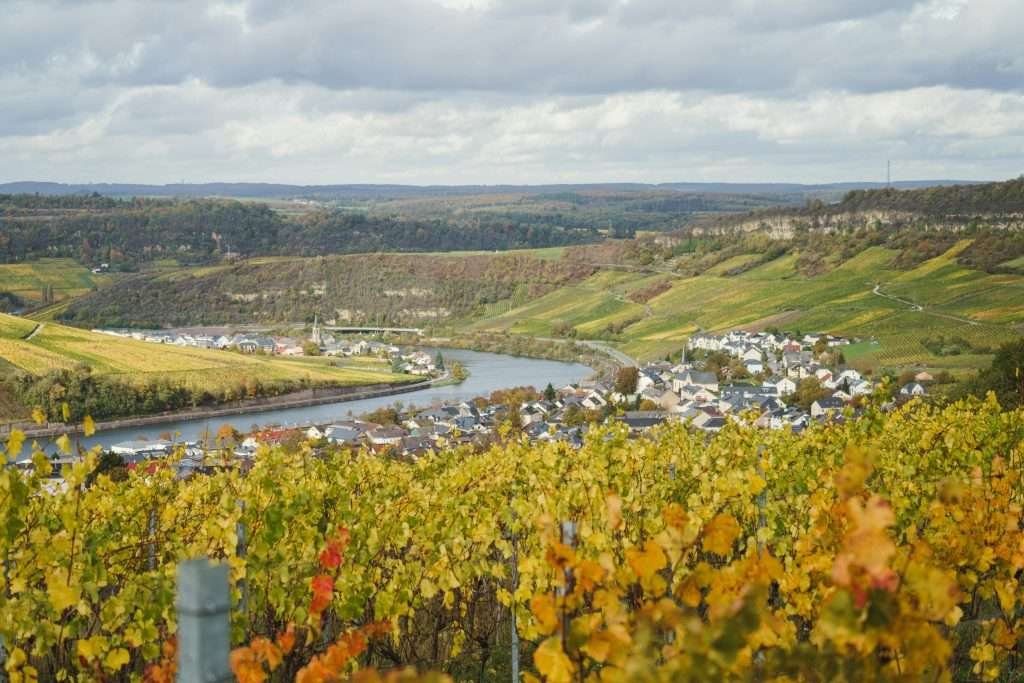
Consider spending a night or two in this small but dramatic capital city. Its unique topography means you’re forever climbing or descending, but there are elevators from the valley to the upper city centre. The fortress and the old town are UNESCO World Heritage Sites, with a breathtaking panorama from the Chemin de la Corniche.
From Luxembourg to the Mosel (Moselle)
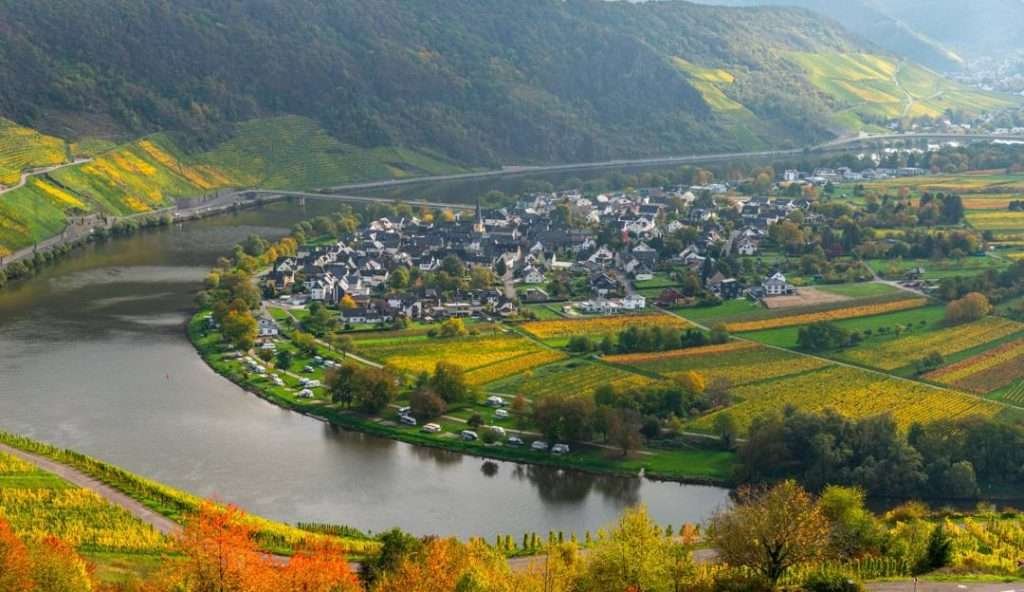
The mighty River Rhine is so well-known it casts a shadow on its neighbor, the Mosel. And yet the Mosel’s castles, timber-framed wine villages, and steep vineyards are imbued with a small-town, almost fairy tale charm.
Your first stop is Trier, just an hour from Luxembourg over the border in Germany. This historic and easily walkable city can be covered in a daytime visit. From the station, it’s a 10-minute walk to Trier’s imposing and must-see Porta Nigra Roman gate before heading into the bustling old town. Perhaps visit the Roman bath ruins, the birthplace of Karl Marx, or Germany’s oldest cathedral.
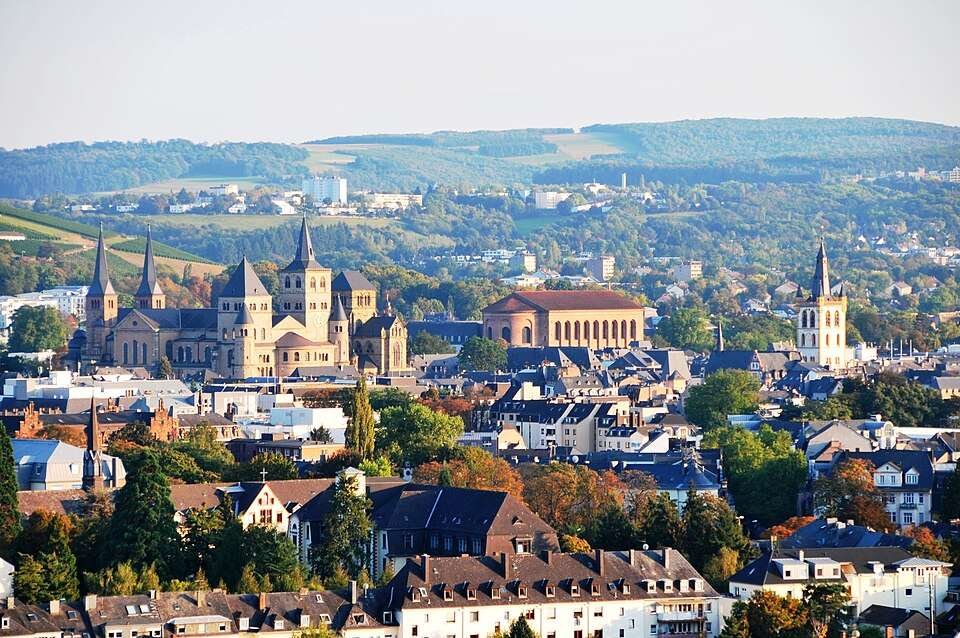
From Trier, the train travels along the Mosel towards Koblenz. For a true wine experience, make an overnight stop on the river itself. The slower trains stop at many of the riverside wine villages, but some of them are tiny, so don’t leave your accommodations to chance.
The charming half-timbered village of Winningen is a good option. Or stay in bustling, and somewhat kitschy, Cochem, the major tourist hub. Steep and narrow side roads lead up to its beautifully reconstructed castle, and options for wine tasting are everywhere. Or hop on a boat and cruise down the river to seductively beautiful villages such as Beilstein.
From the Mosel to Cologne
The journey to Koblenz takes you to the end of the Mosel. This is where you’ll join the Rhine, just like the Mosel does at the “Deutsche Eck” (“German Corner”). Stand at this jutting triangle of land and note the color difference where the brown Rhine and the greener Mosel meet. You’ll remember this when you’re sipping wine later — Rhine wines are served in glasses with a brown stem, unlike the green stalks of Mosel glasses.
Like Trier, the main sites of Koblenz could just about be covered during a daytime stopover. But Koblenz is also a fine city to spend a few nights in. Some older parts of Koblenz have UNESCO World Heritage status, and the adventurous will enjoy the dizzying cable car up to the Ehrenbreitstein Fortress across the river. Staying a day or two allows you to cruise further south along the Rhine to see the most famous castles.
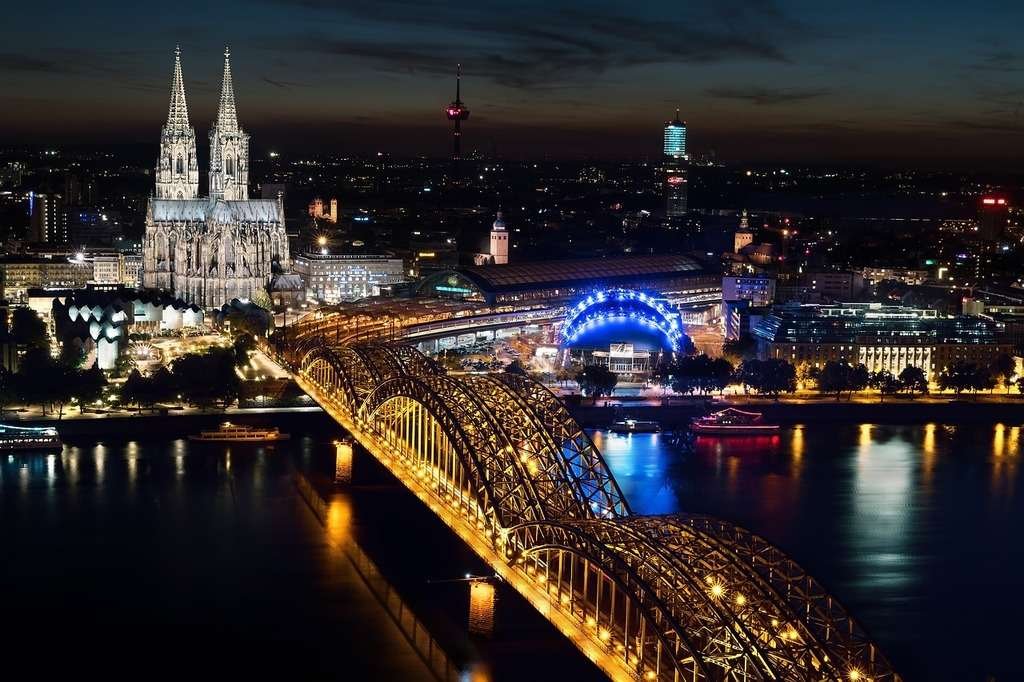
From Koblenz, it’s a mere hour or so to Cologne (Köln), where you’ll end your journey at one of the world’s most impressive cathedrals. Although much of the city is a post-war reconstruction, it has Roman remains and some quirky museums. Not to mention further options for exploring the Rhine.
Brussels to Cologne by rail: Practical tips
Practical information: The Seat61 website offers extensive information on European rail travel. The Rail Europe website is helpful for planning and ticket purchase.
Editor’s note: People often assume that a rail pass is the cheapest way to do European rail travel, but that’s not always the case. Always compare point-to-point tickets to make sure you’re getting the best deal. Also, buses are a great way to travel within Europe — try BusBud to easily compare options and buy tickets.
You can also check Rome2Rio for a quick overview of all the options for traveling from Brussels to Cologne.